Word is out. The FMA3 English patch is right around the corner. You no doubt have your imported copy close at hand. You're looking at the little pictures on the foldout manual/poster thingo, drinking in the plugs for the movie and the CD, and tilting the disc to get a good look at the mystery girl with the cake. It looks like everything you could ever hope to experience about this game fits in a 0.36 litre rectangle (or in a couple if the movie and CD appeal to you).
You would be mistaken. Most merchanising attention went to the Conqueror of Shamballa movie released the same week, but there was still money to be had in printing game things on other things. Below is a rough primer on places where Fullmetal Alchemist 3 for Playstation 2 interacts with the broader physical Earth.
Some fuddy-duddies out there might try to tell you that some of the plays, restaurants, plays, television shows and vintage films mentioned do not relate to the themes of the game, and are not Fullmetal Alchemist merchandise in the strictest sense. Do not listen. This is for you alone to judge. Mild spoilers follow.
1 / 36
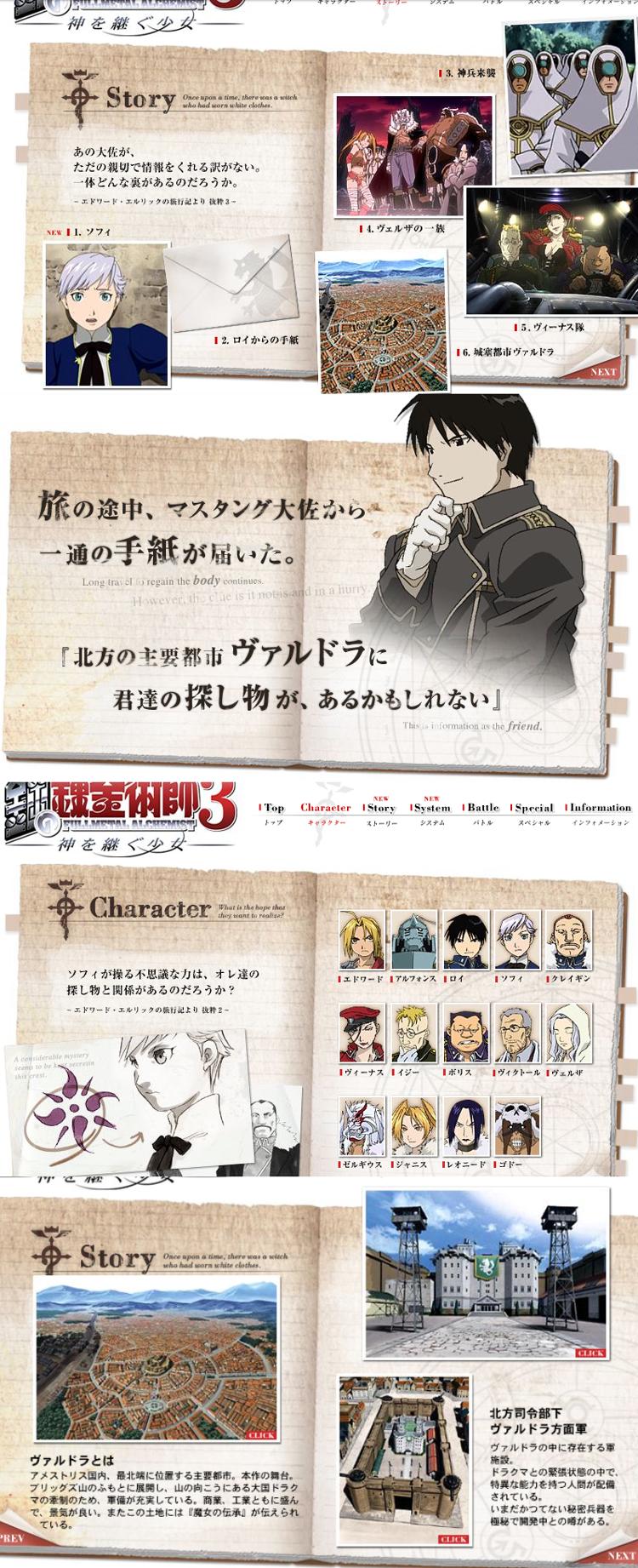
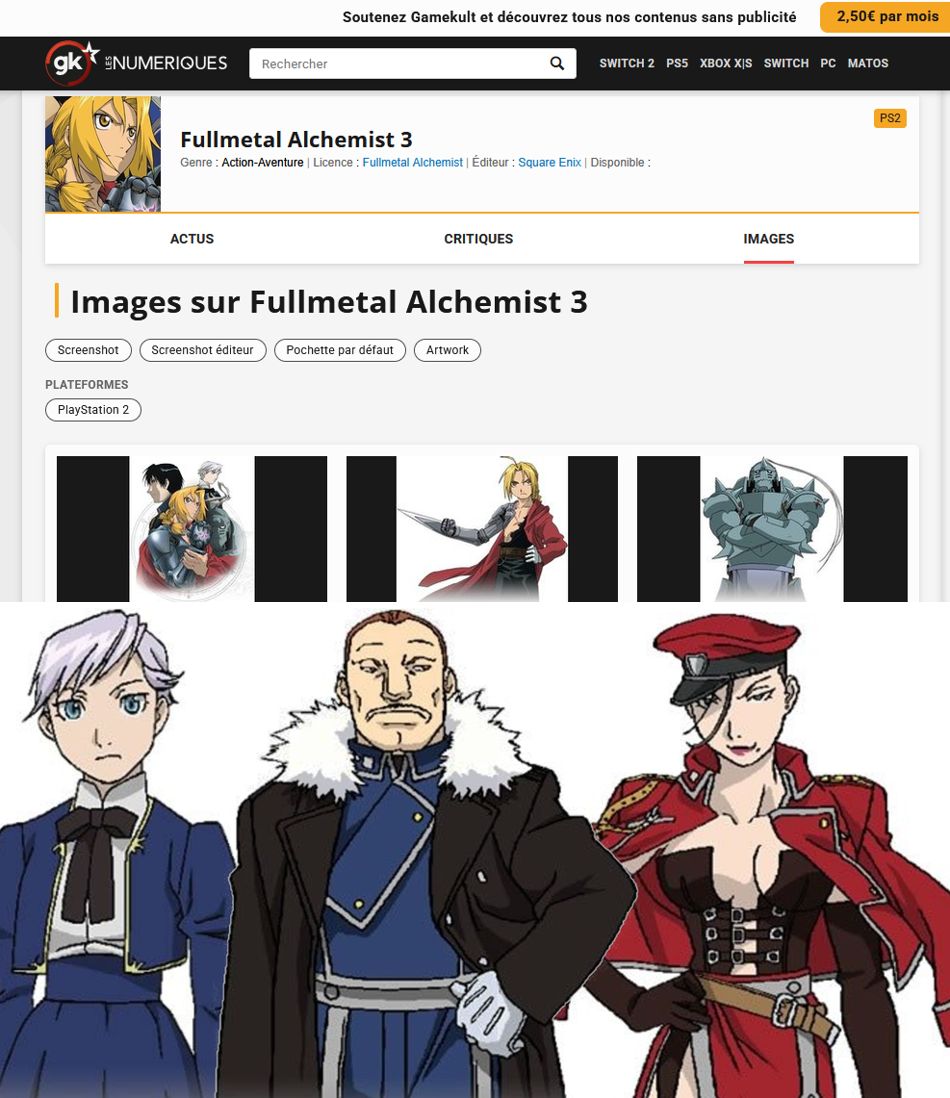
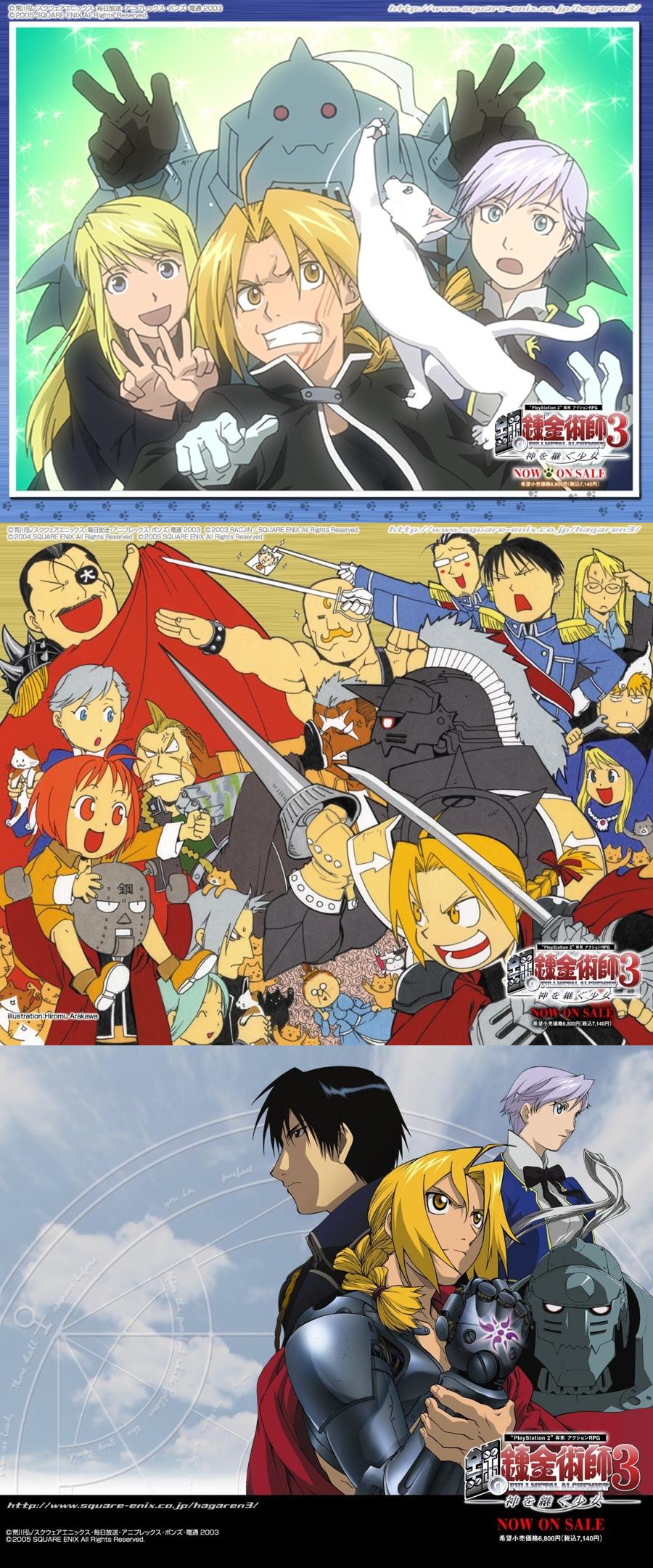
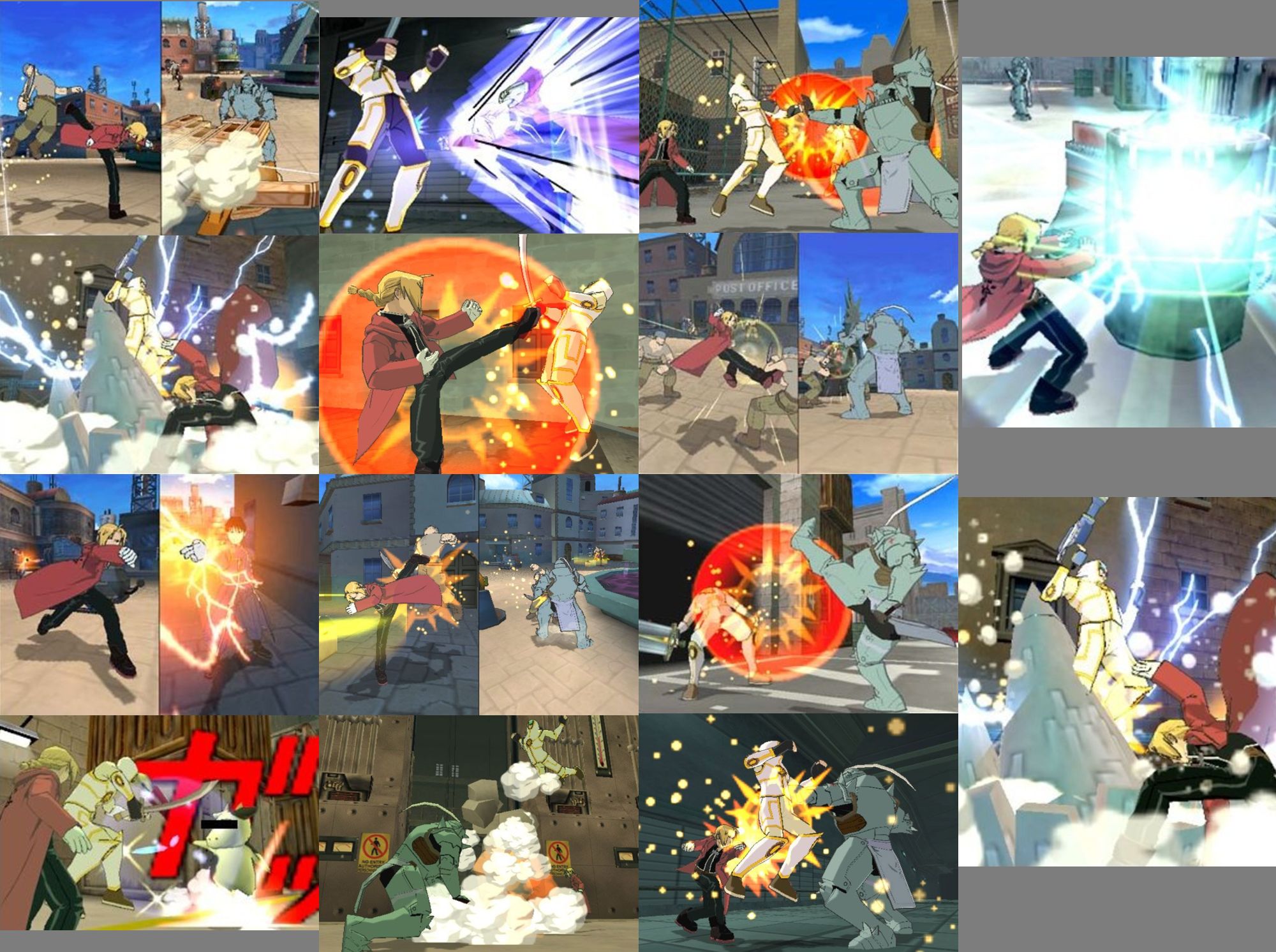
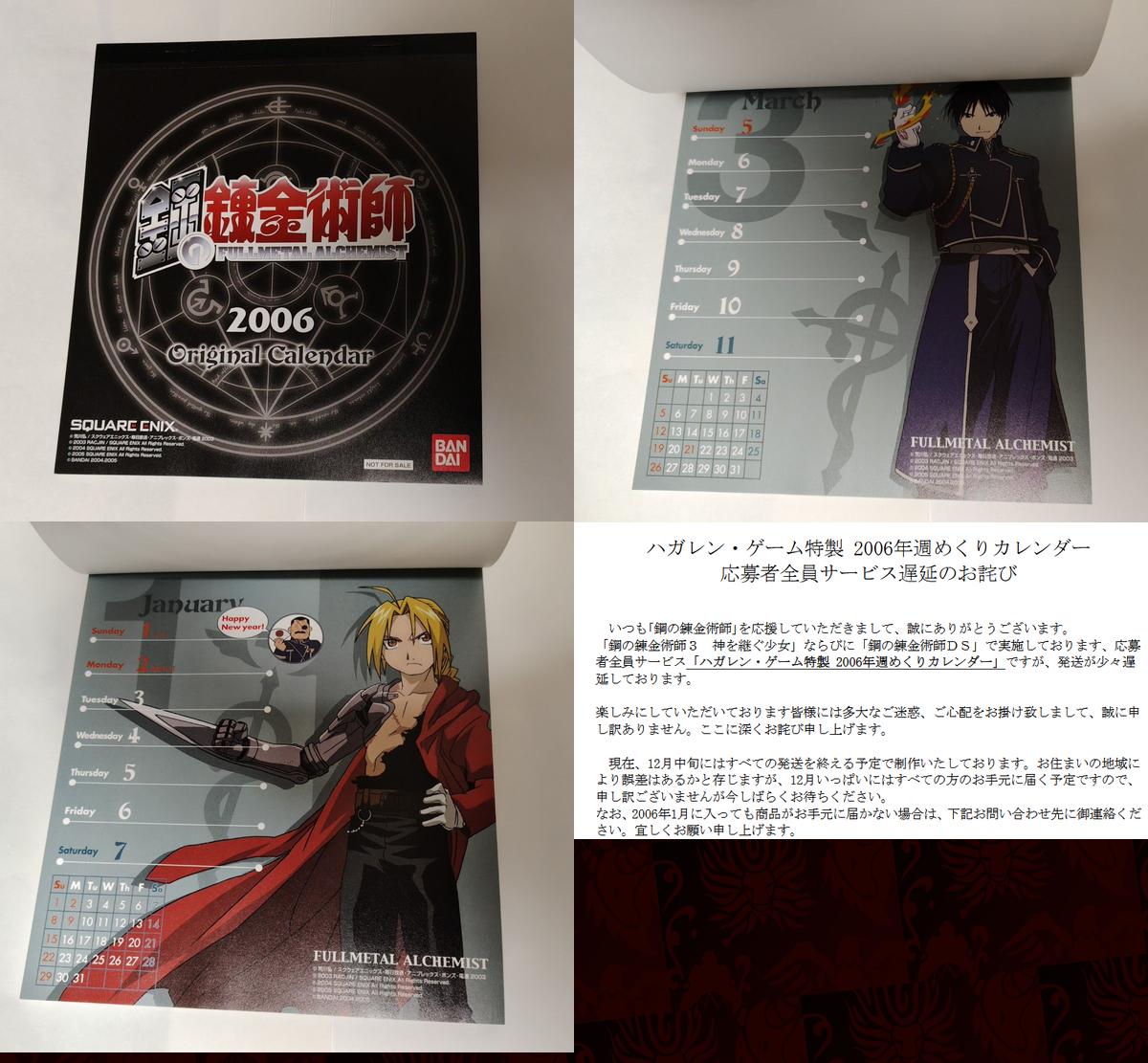
A Flash website created for the game. Wallpapers, trailers, Roy’s letter, original character renders, and story and gameplay details have all eluded the claw machine grip of Wayback Machine. We’re left with some funky English use, character profiles (minus pictures), scraps of Valdolla, and a PDF apology for delays in shipping calendars.Random French website has a decent chunk of the assets of the game website saved. This includes prerelease screenshots, wallpapers and character profile pictures that Wayback Machine didn’t catch.Three wallpapers released on the website to promote the game. In 2005, this was remarkable enough to rate several article writeups.Prerelease screenshots that saw some circulation in inconsistent quality, assumed to originate from the FMA3 website. Plenty of articles borrow a couple, but the French website has them mostly gathered in one place at possibly original resolution.
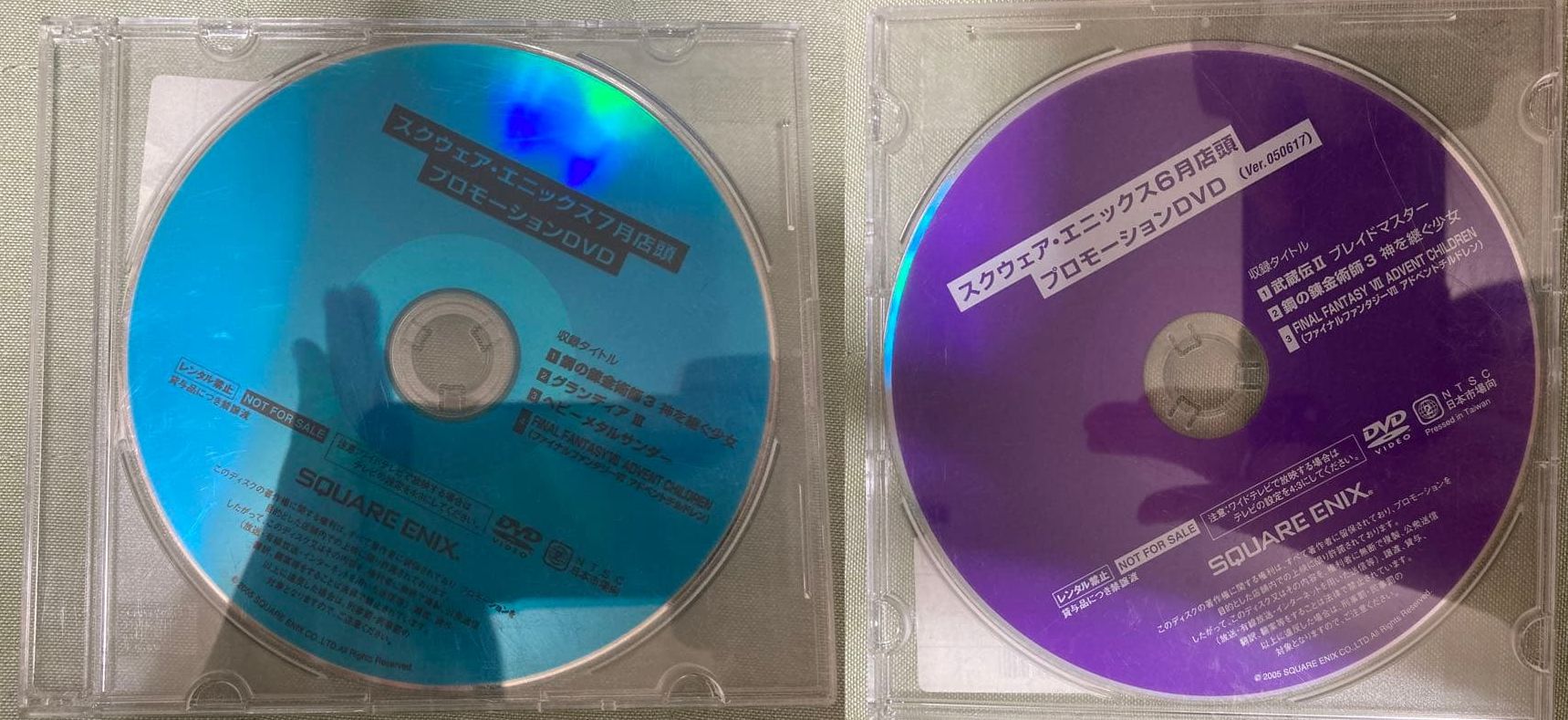
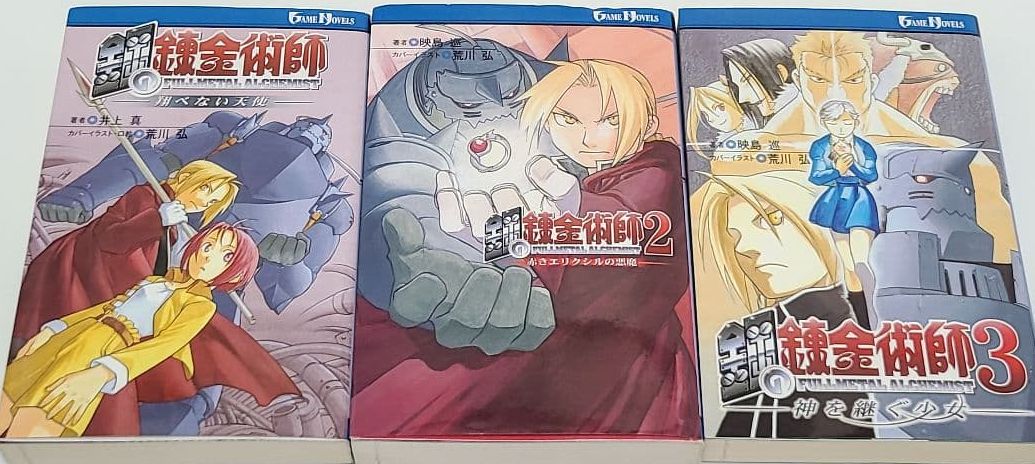
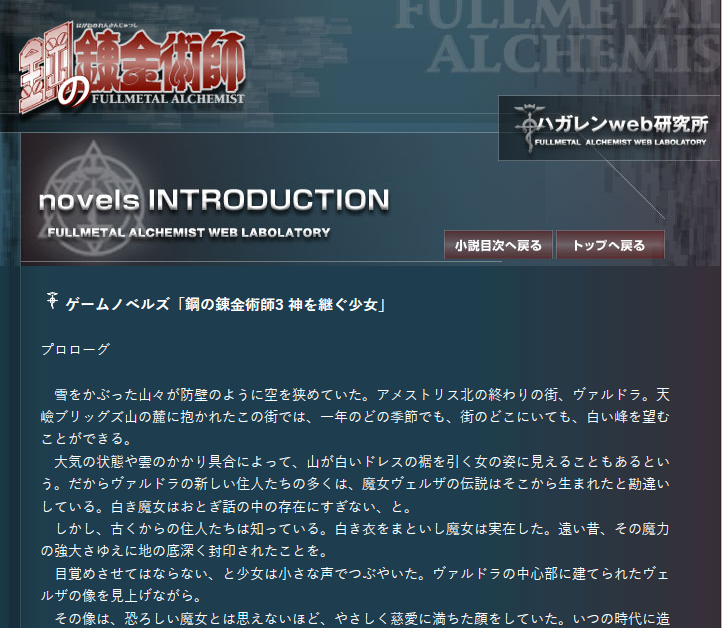
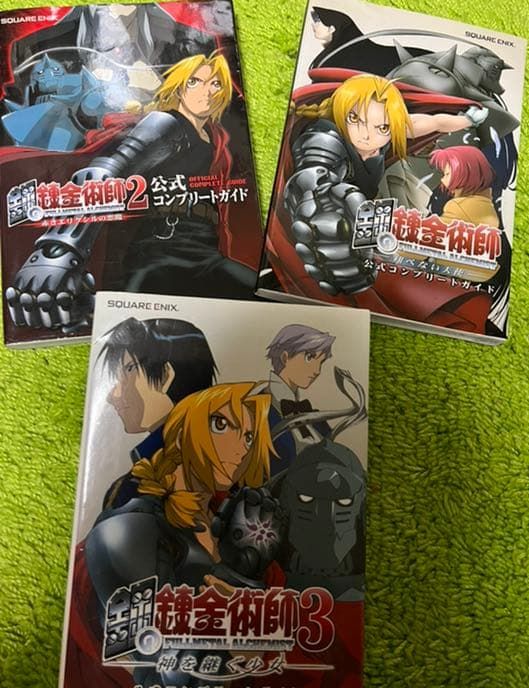
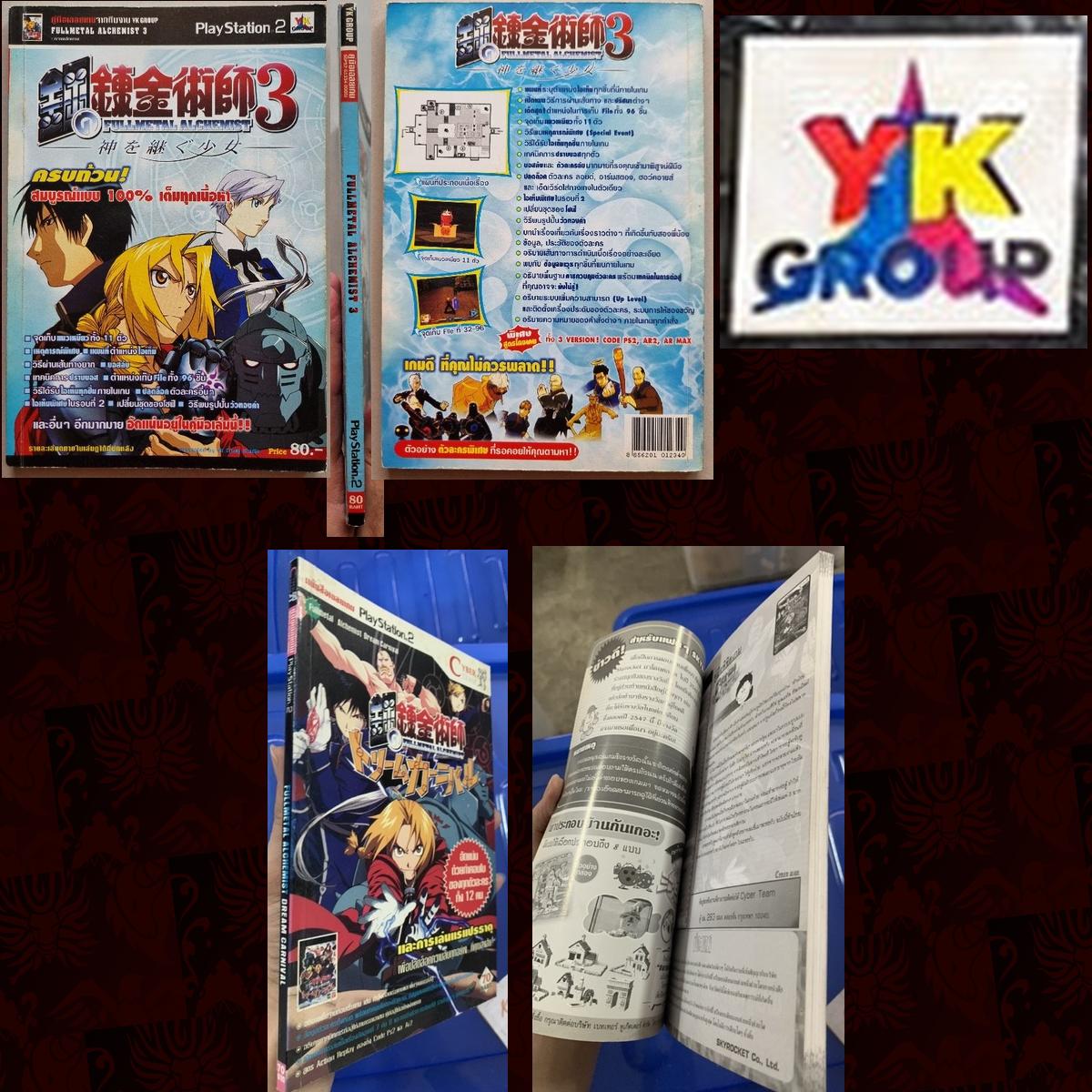
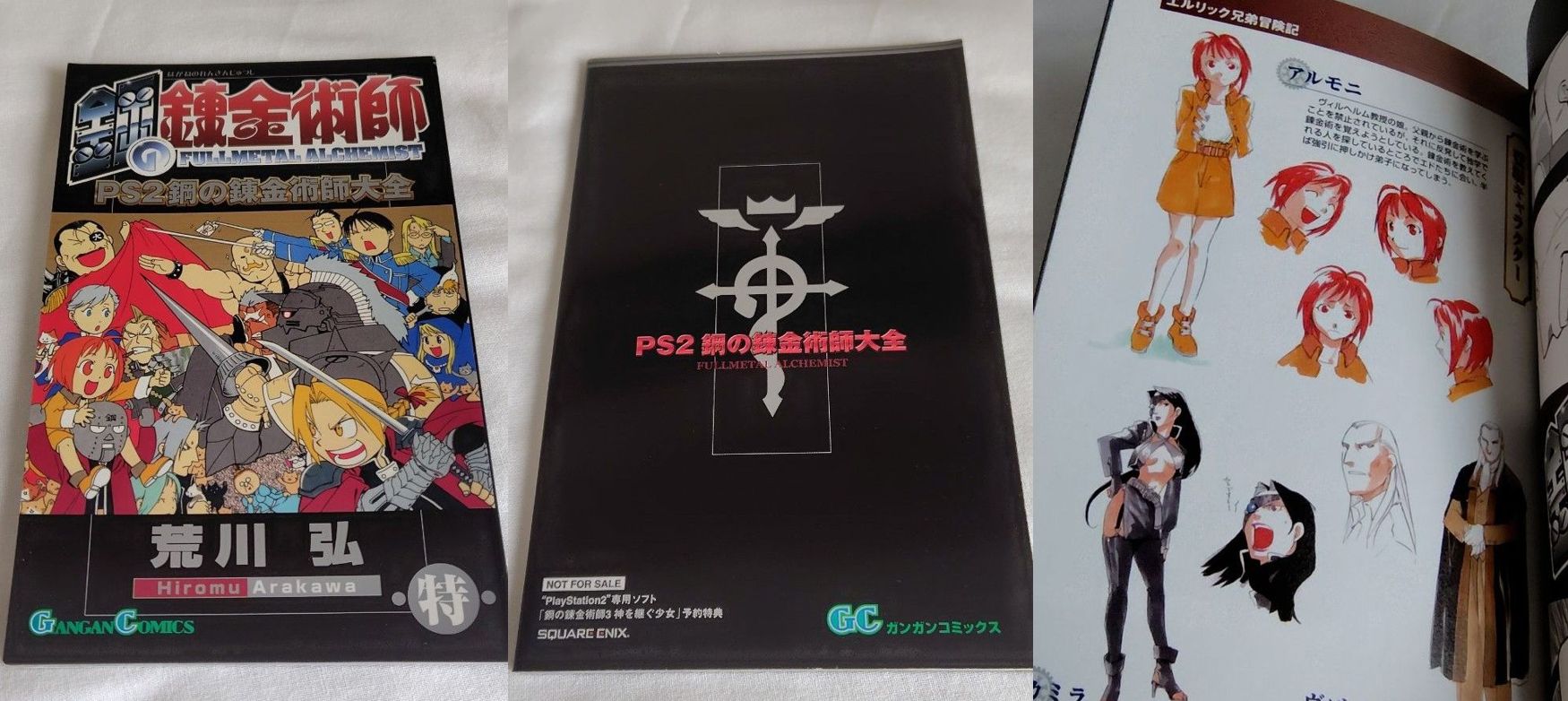
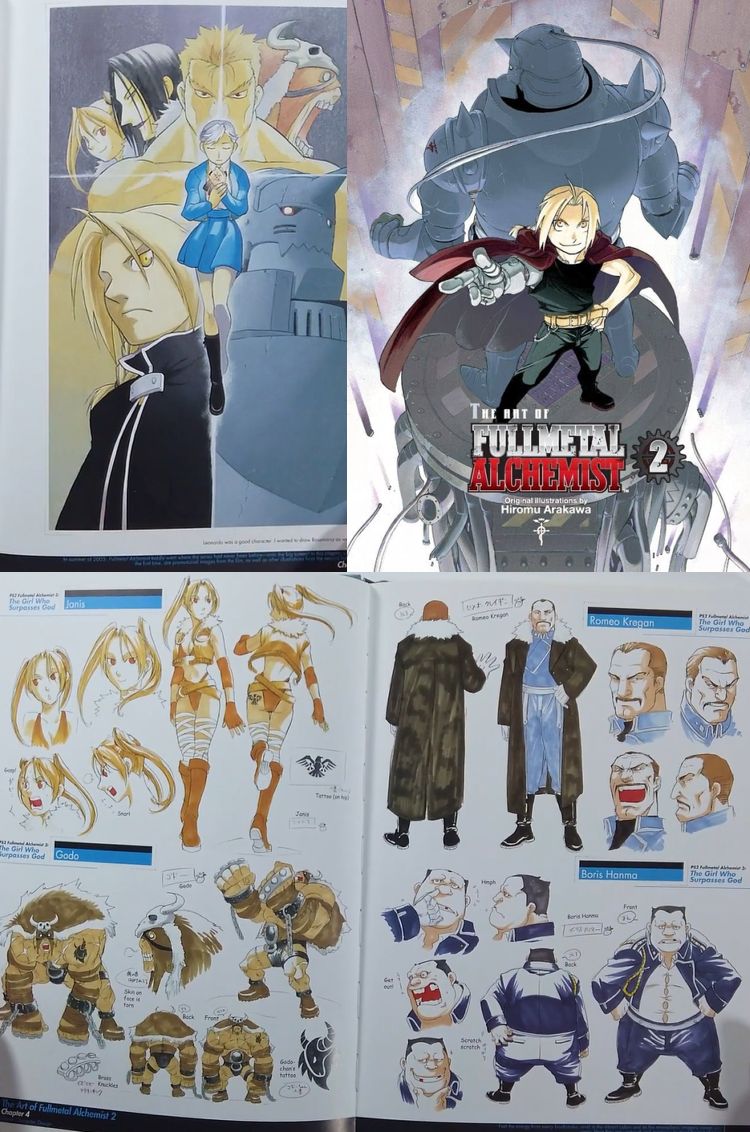
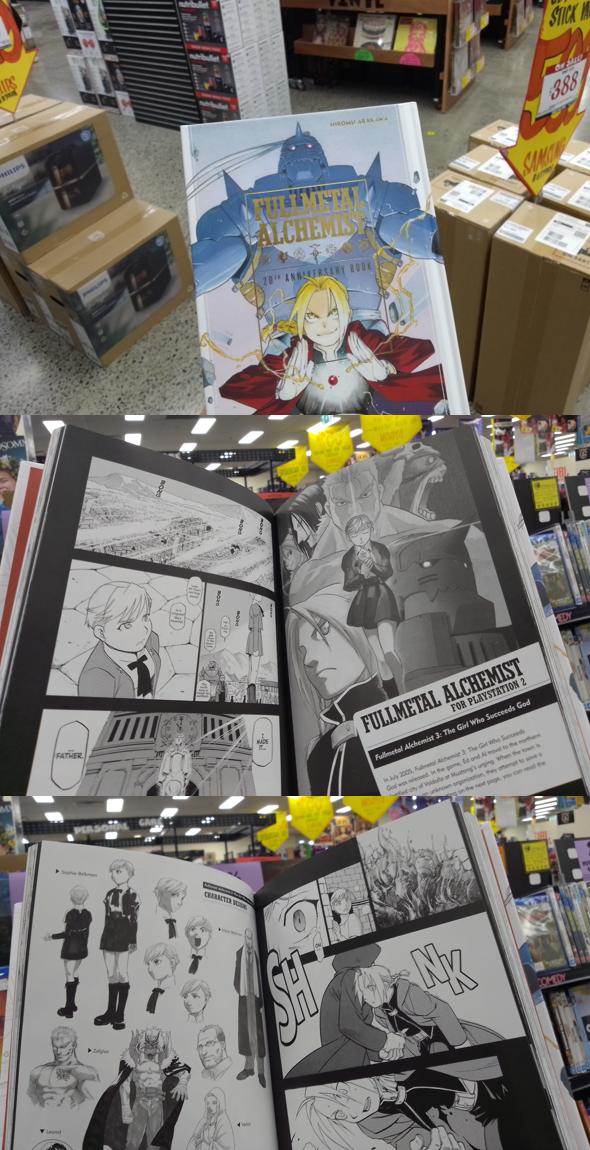
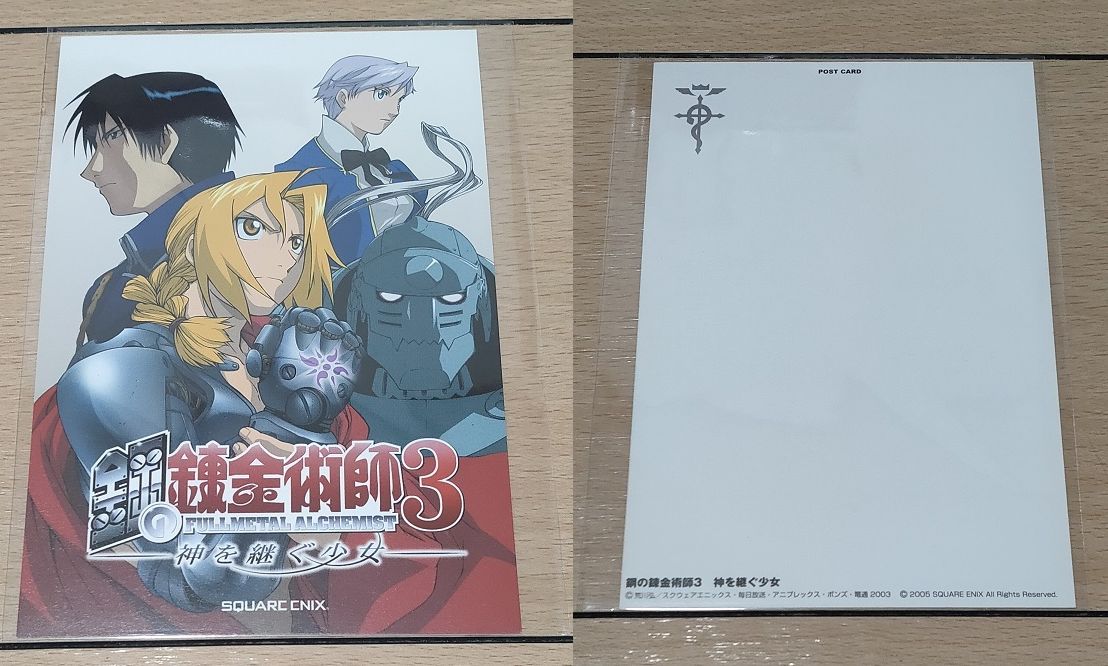
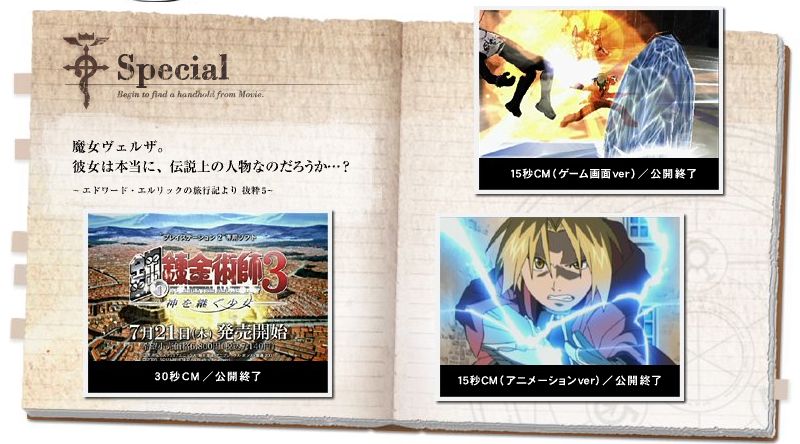
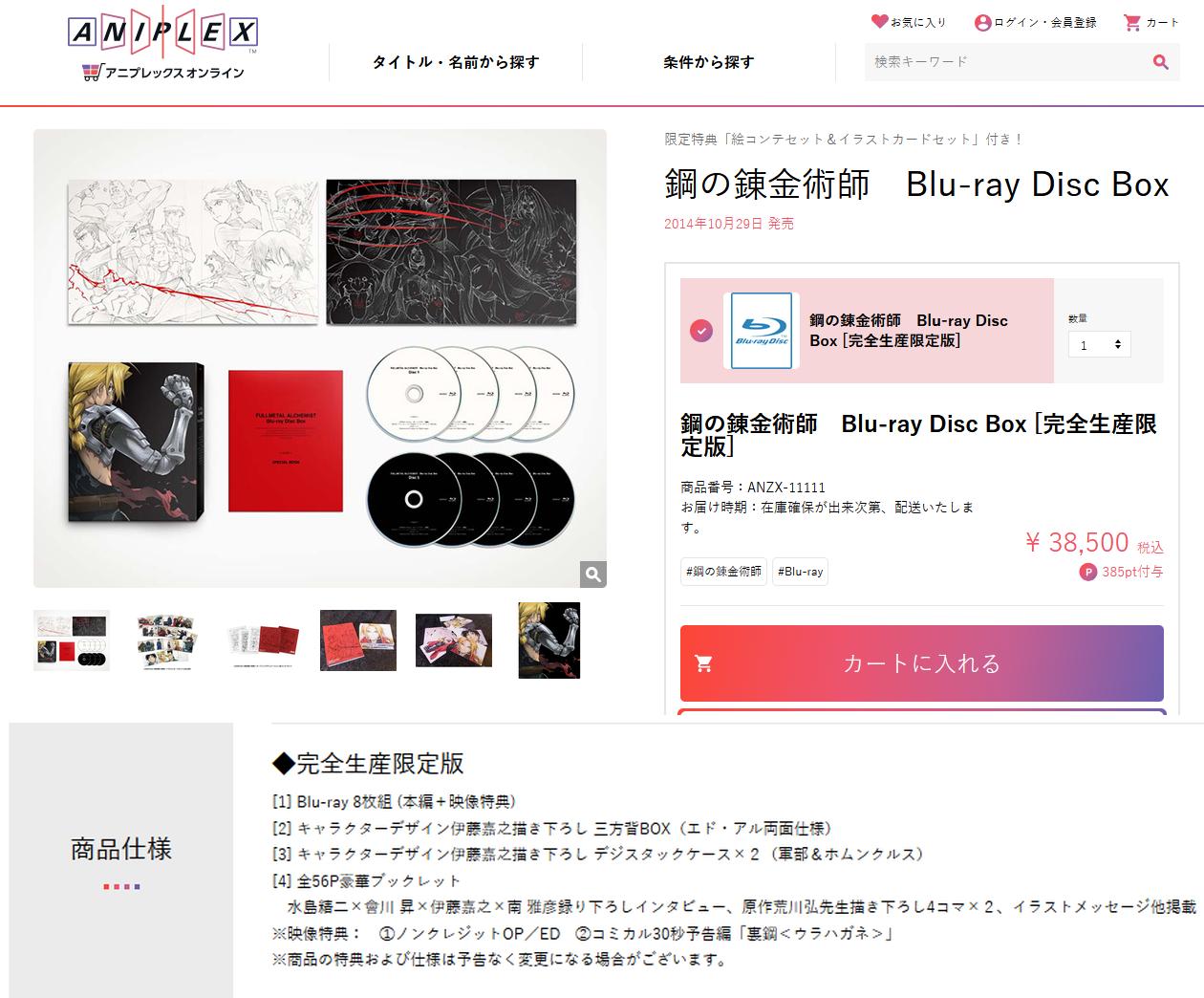
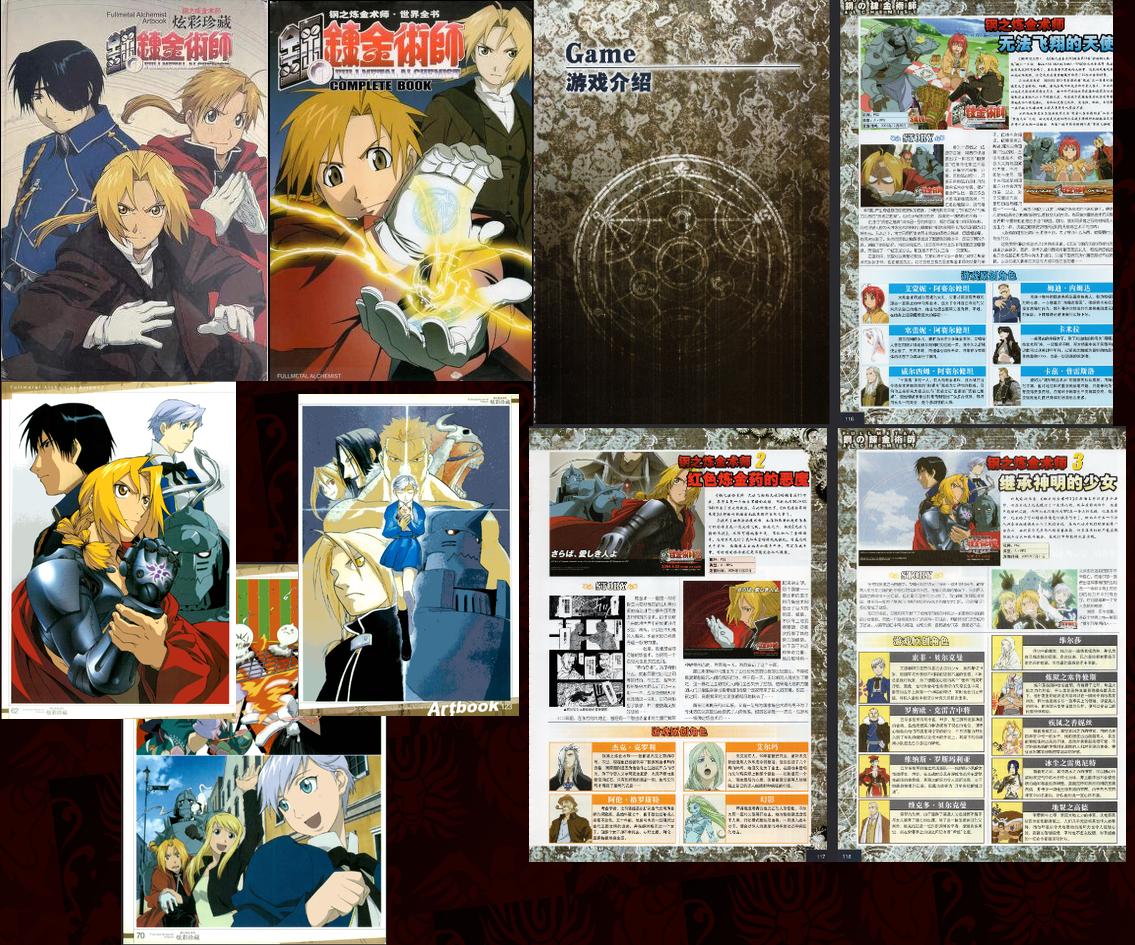
Points of note include FMA2 Lior, apparent plans for story mode co-op, censored cow eyes, and an Ed/Roy co-op pairing (impossible in the final game, the strategy guide even teases about it). Impossible splitscreen footage of Ed and Al messing about in the Old Castle even graces the finished game’s attract sequence.Until at least 2021, Square Enix would send monthly-ish DVDs for in-store displays. The June and July 2005 editions (haven’t seen May or August) include FMA3. Not sure exactly what’s on the discs, if the FMA3 content differs between them, or even roughly how long they run. The in-game attract sequence/intro movie mentions “this Summer” (suggesting it might have originated as an ad) and runs too long for a typical TV spot (3m13s), so it might just be a less compressed version of that.A novelisation, released exactly four months after the game. The PS2 trilogy and the Wii games all got this treatment. It expands a bit with a unique intro and epilogue.The Square Enix website used to have teasers for their light novels, still accessible through Wayback Machine. SONICMAN69 has translated the one for FMA3, linked below.The official strategy guide for FMA3, containing some concept art and voice actor interviews. FMA1 and FMA2 also had guides.A Thai-language strategy guide, almost certainly unlicensed. The same YK Group logo appears on guides for Resident Evils 3 and 6, suggesting that this was published around the middle of the company’s 12+ year run. There’s also one for Dream Carnival, pictured below (different publisher).Little booklet that you got for pre-ordering, containing the tie-in manga chapters for the PS2 trilogy. Note the cover picture with all the game characters. Japanese Wikipedia cites it as a source for placing the first two games between episodes 9 and 10 of the ‘03 anime, so there must be some other text in there.The Art of Fullmetal Alchemist 2 (being a sequel to another artbook, not an artbook for FMA2) has a clean copy of the novelisation cover and some character concept art. It also had an English release (with some not-fabulous character name romanisations).The 20th anniversary artbook has the tie-in manga chapter, character art, and some other bits and bobs (said to belong to the “pre-order pamphlet”). This one had an English release (with much better character names) and is still in stock at JB Hi-Fi of all places.It’s a postcard.The flash website teases at least three versions of the ad, and some sources mention a separate Reverse Fullmetal skit used for broadcast. Wouldn’t hold my breath for exciting and original footage.The 2014 Japanese Blu-Ray release makes a dot point out of a 30-second trailer titled "Reverse Fullmetal" (裏鋼), the same as the FMA3 ad, which would very possibly mean some HD footage of the in-game cutscenes if taken at face value. Its mention is weirdly prominent for a nine-year-old game ad, suggesting that it might just be a new thing with the same title. I’m not importing to find out.Theme song Kanashimi no Kizu had a proper release in all of the ways that music was typically distributed in 2005. Wayback Machine says that you could see the music video on her old website (doesn’t look to have any FMA3 insight on the blog), and describes a game-themed release of the CD that has yet to turn up.
Her new website has the teensiest mention of FMA3 among her singles listings. The CD single has a full copy of one of the in-game CGs on the back cover (the in-game version crops out most of the cake base and “M.M.” initials on Ed’s apron, also the disc art).
Some copies came with a card telling you where to find an in-game CD (it isn’t hidden), which can then be given to Sophie to spark an interaction telling you to buy the physical CD (we’re through the looking glass here).
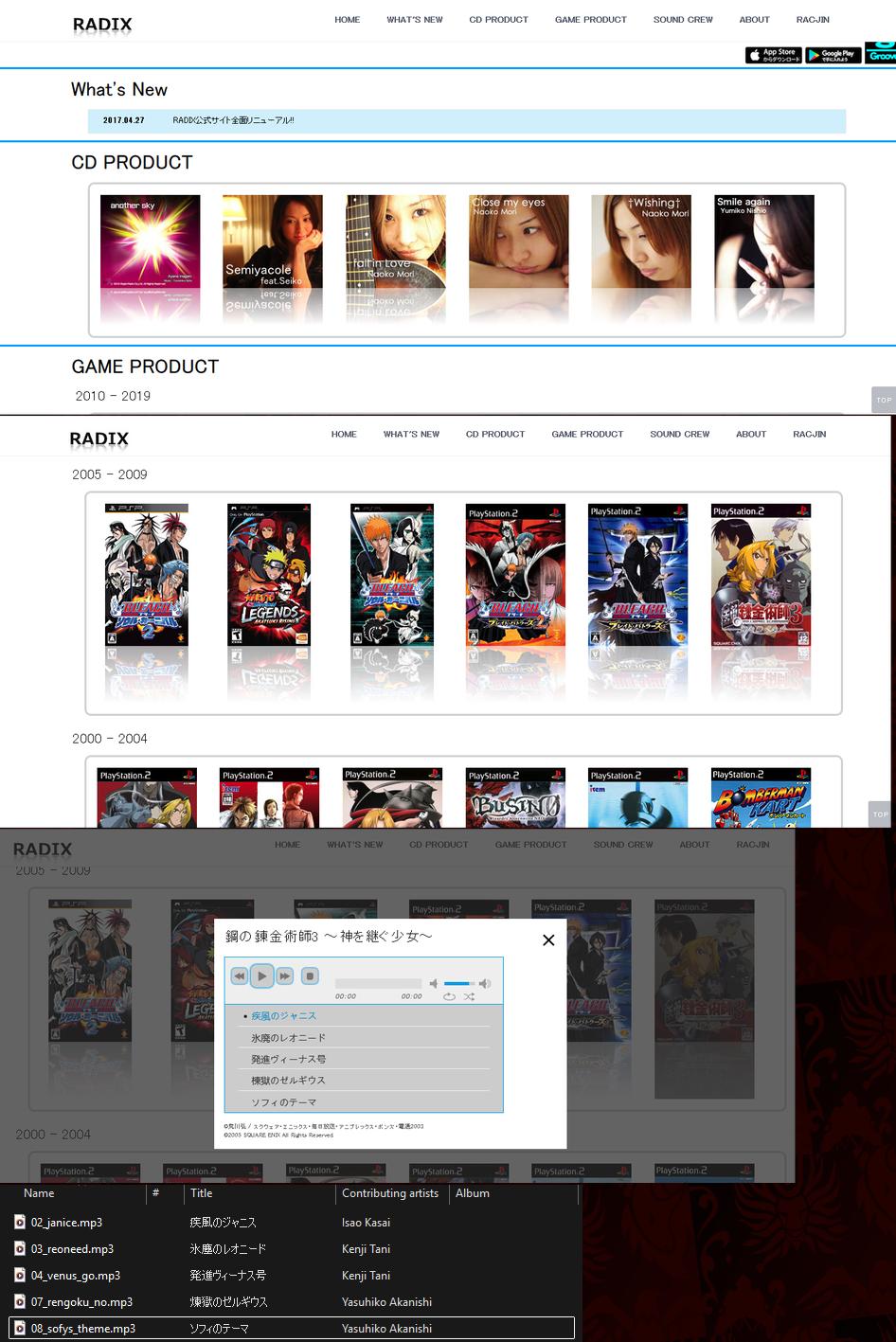
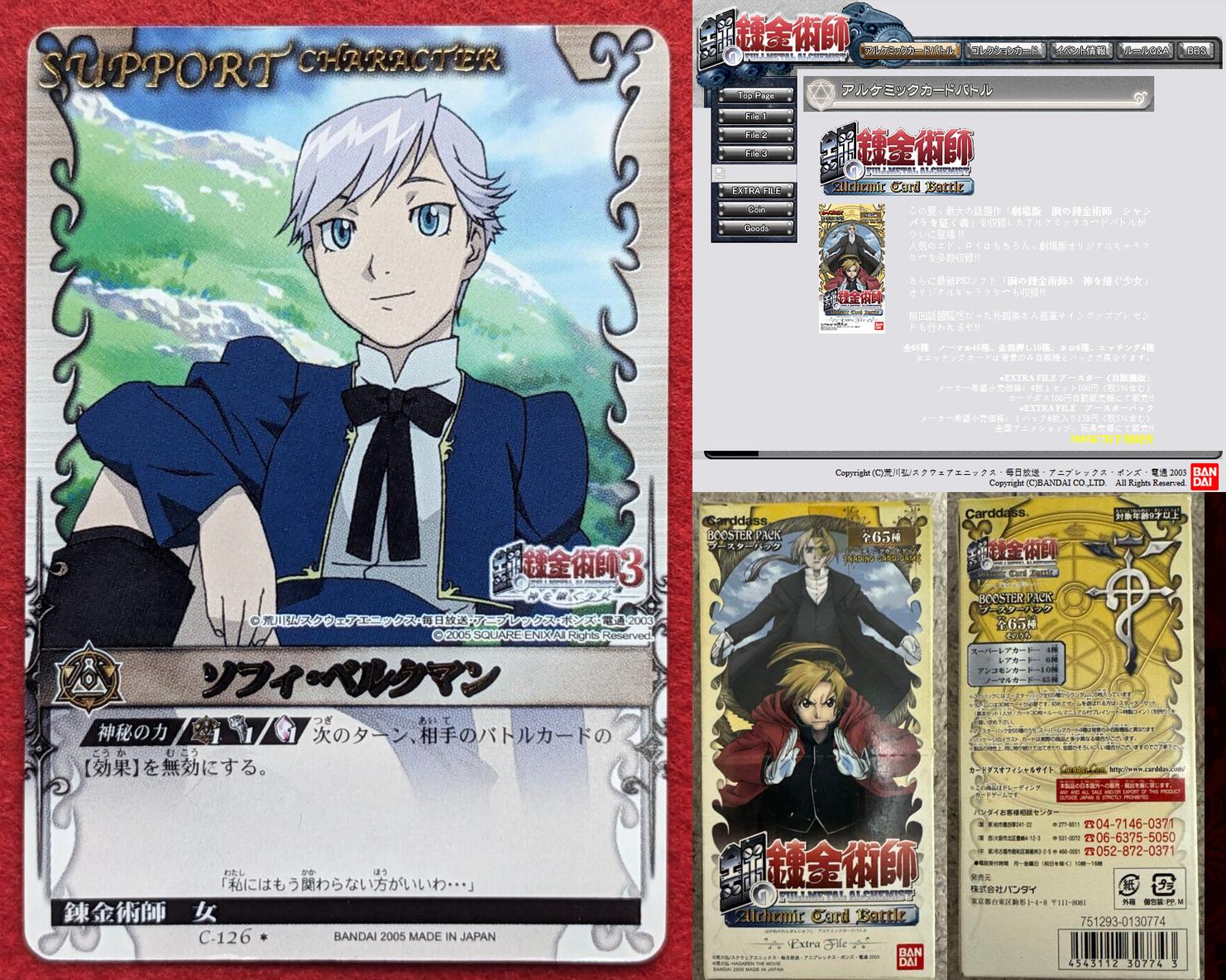
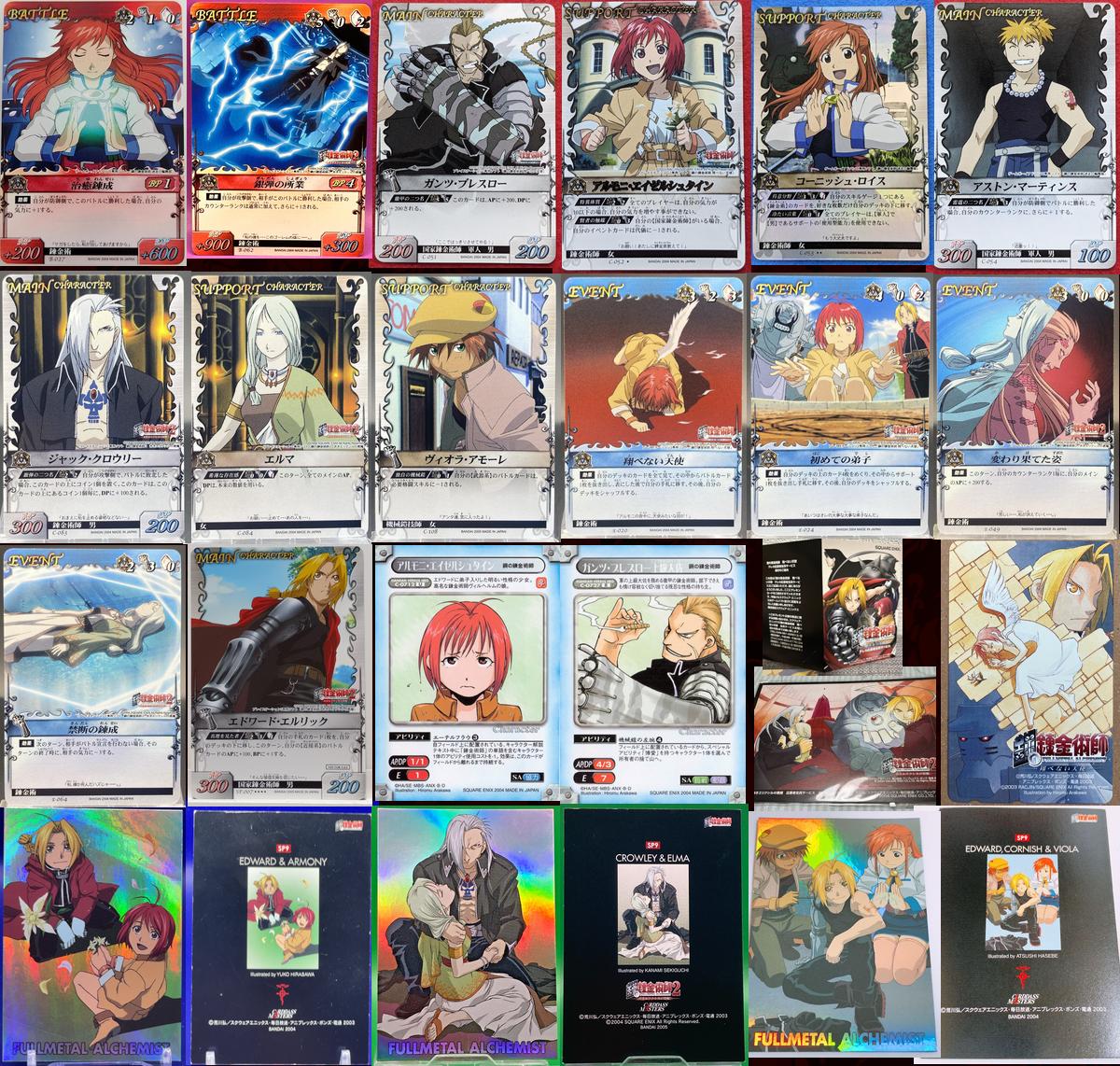
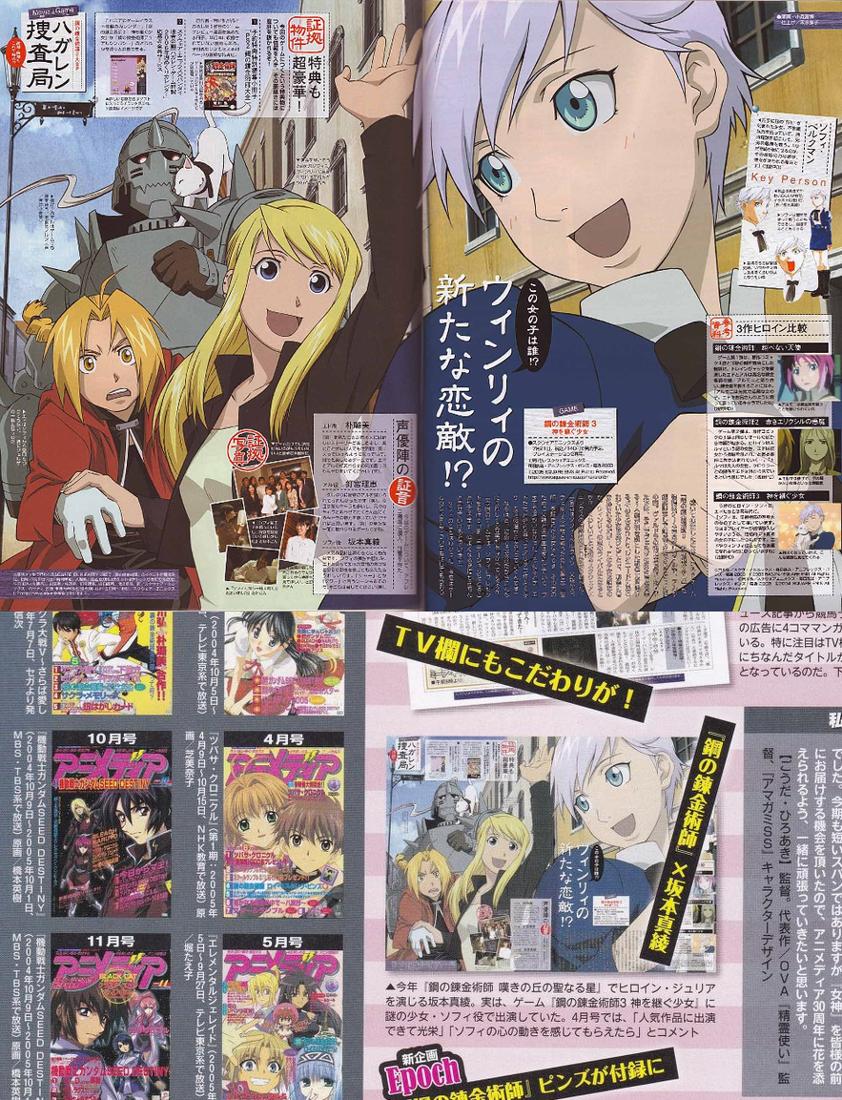
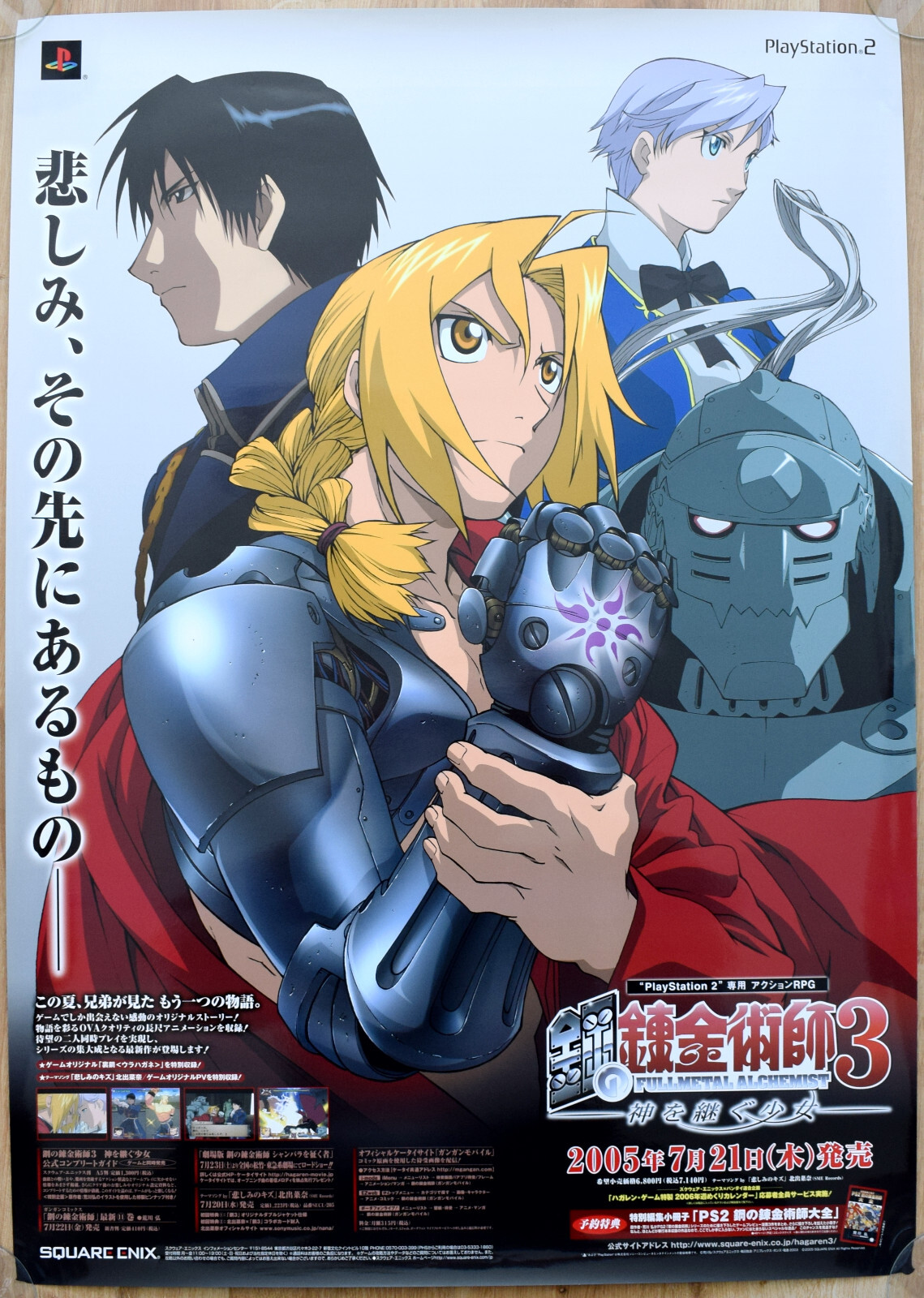
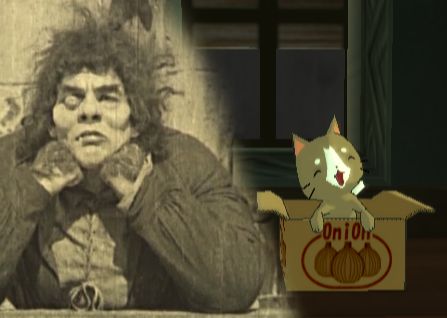
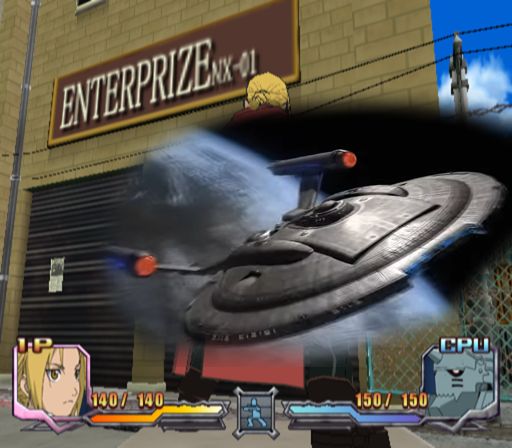
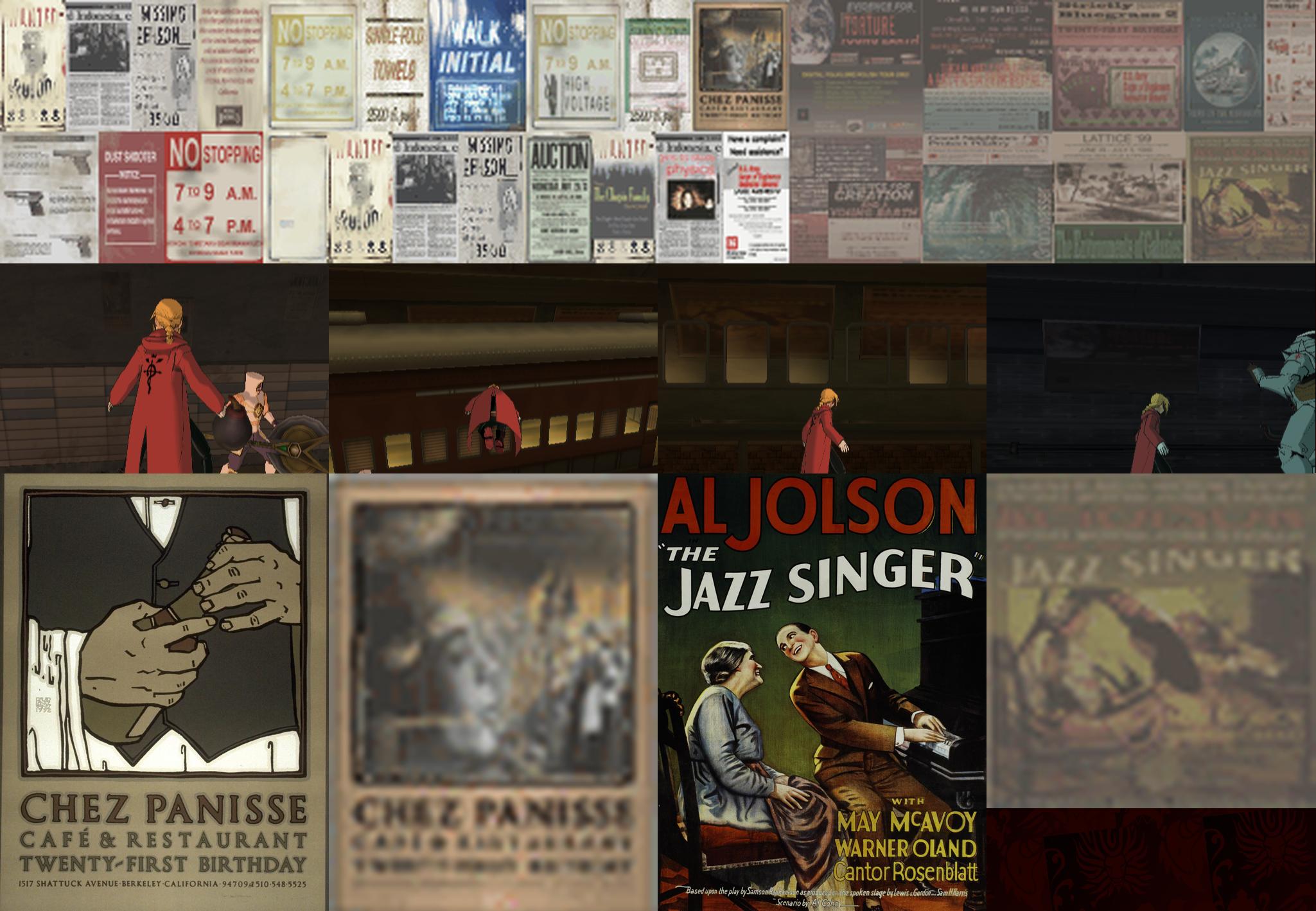
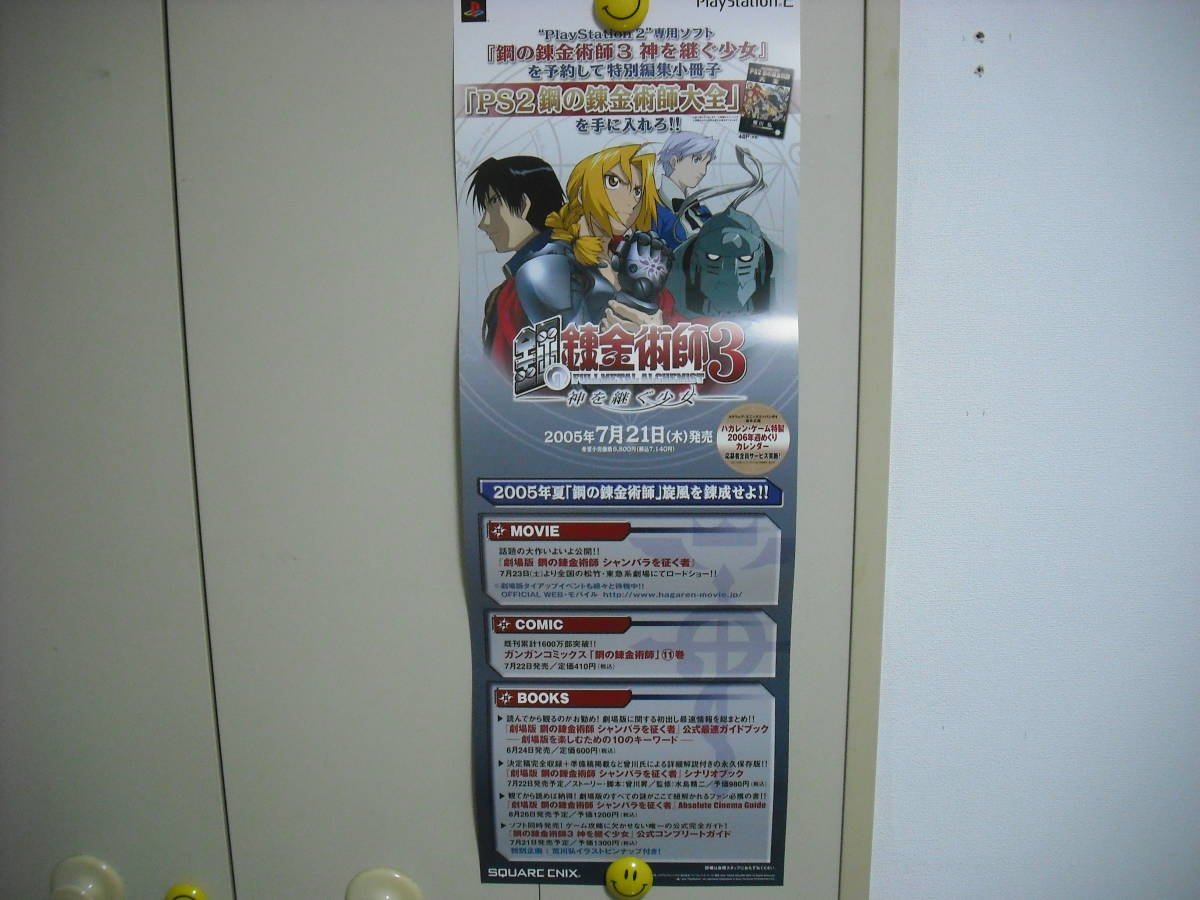
The song also saw release on other Nana Kitade and FMA series compilation albums.Webpage for Racjin’s music arm. It has mp3 samples of games they’ve scored, including the FMA trilogy. Note that “Close my eyes” by Naoko Mori, the game’s end theme, is listed separately.One single trading card produced for the Carddass Fullmetal Alchemist Alchemic Card Battle trading card game, reusing Sophie’s clipart from the back of the box. The set (EXTRA FILE) is almost entirely about the movie, but this card gets a whole point to itself in the set description (no mention on the physical box).For scale, the previous games (even the GBA ones) had a few cards each, and were covered by Carddass’ non-game card line. Armony and Genz from FMA1 appeared in Gangan Versus Neo, a crossover card game for Square Enix manga, and there were also phone cards for the first two PS2 games (not really a comparable product, but it fills out the awkward gap in my little collage).An illustration that appears to have been created for an interview with Maaya Sakamoto in the April 2005 edition of Animedia magazine. It rated mention in the magazine’s 30th anniversary celebrations.A store display poster. It mentions the theme song CDs, the strategy guide, the pre-order booklet, and a game-related calendar.Cat actor “Chestnut” (まろん) is a reference to Lon Chaney (not Jr), who had been dead for nearly 75 years at the time of the game’s release, by way of some stupid untranslatable wordplay about how the cat’s brown. There’s a chance the other cat names have references missed in translation.The warehouse district has a hidden sign naming the ship of Star Trek: Enterprise (which would still have been airing during development). We didn’t put that there (or change the Z).The subway textures sample some real-world posters, with other elements overlaid in an attempt to be sneaky about it. One for an American restaurant, another for 1927 film The Jazz Singer, and no doubt plenty that escape easy identification. This puts Al Jolson next to Nana Kitade in the list of real-world figures appearing in this game.
There are a few obscured by train carriages (Jazz Singer being one of them). You can see it in full by playing around with PCSX2’s texture replacement, or just catch the title by jumping high.
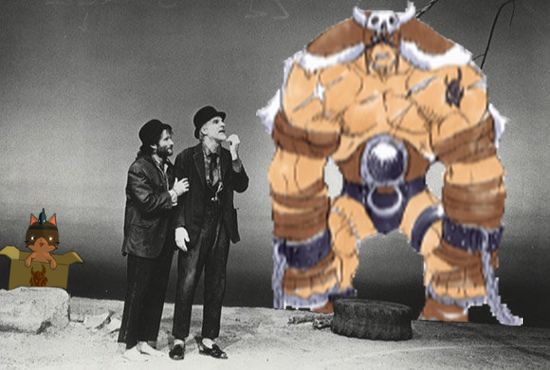
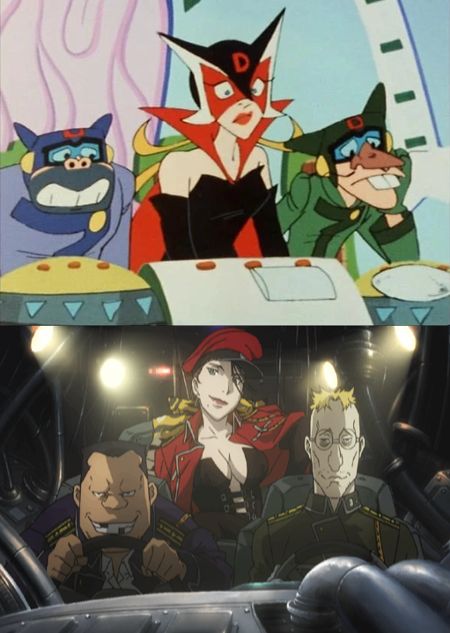
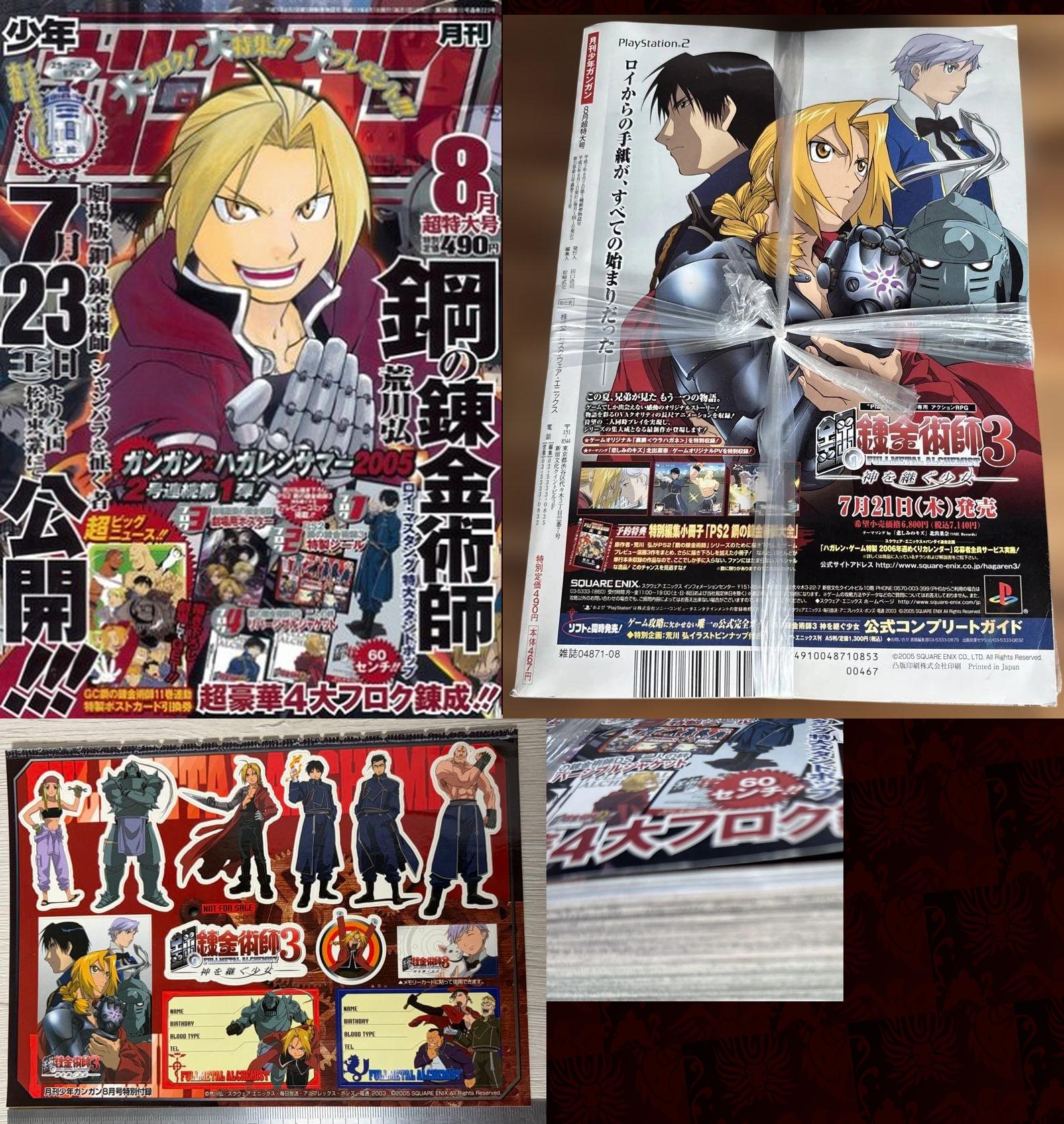
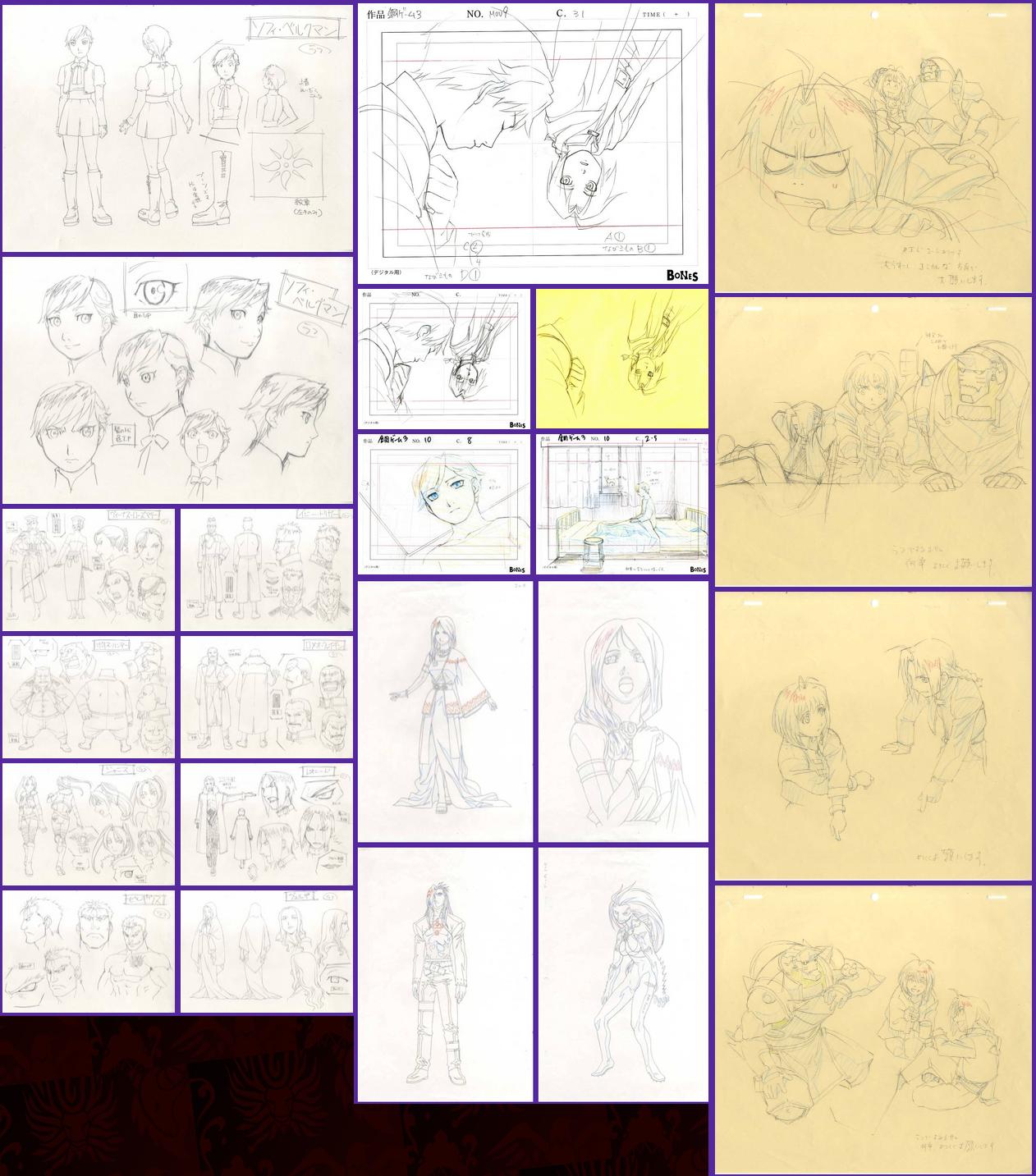
My favourite subway poster shows a blue marble not unlike our Earth labelled with the word “TORTURE” in red. I choose to interpret this as the canon name of the planet on which FMA is set.Two Chinese guidebooks on the broader FMA franchise. One has a smattering of key art (including a clean version of the Animedia spread), and the other has a rundown of the TV series and games.Beckett’s Godot sharing a name with the earth priest may look like a coincidence, but his cat says otherwise. Estragon (えすとらごん) takes his name from the same play, and mentions waiting in his description. The allusion doesn’t run much deeper, unless you choose to interpret the grunting, shirtless Godot as a general slander against the French.I’ve seen a few comments suggesting that the Venus Corps crew might be based on Yatterman’s Doronbo Gang. Similarities at a glance are the general proportions, colours and failure-prone animal mechs.A game-related calendar mentioned on the website (via a PDF describing delays), and the store poster. The few pictures found don’t show any game-specific elements, but those are the same renders of Ed and Roy used on the FMA3 website and sticker set.The August 2005 edition of Shonen Gangan magazine. Contained the FMA3 tie-in manga chapter, the sticker set (note that Hughes is implied to be dead during the events of FMA3, and goes unmentioned) and some other coverage.Tumblr user Toxiccaves has got hold of production art somehow. Possibly from auction listings if earlier posts there are anything to go by. The final game lets you unlock those character reference sheets in colour.
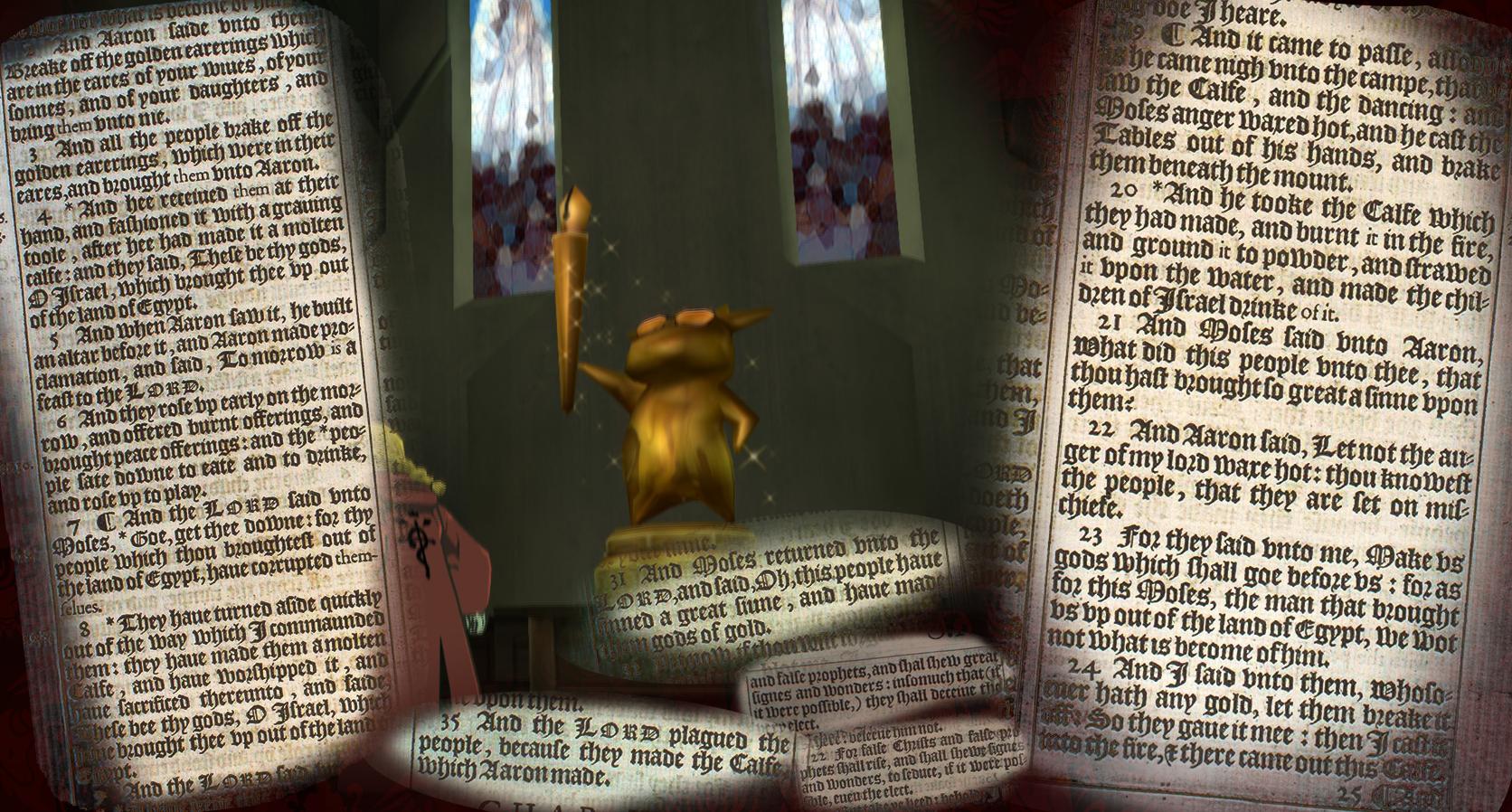
Similar sheets have also been found for the first two games.Your reward for giving every single item and accessory in the game to Sophie, not least of which being golden earrings and other jewellery? A golden calf replaces the (Velza?) statue as the focus of the local church. Intentional or not, this evokes the Abrahamic religious story of the golden calf (Exodus 32:1-5, Quran 7:148).
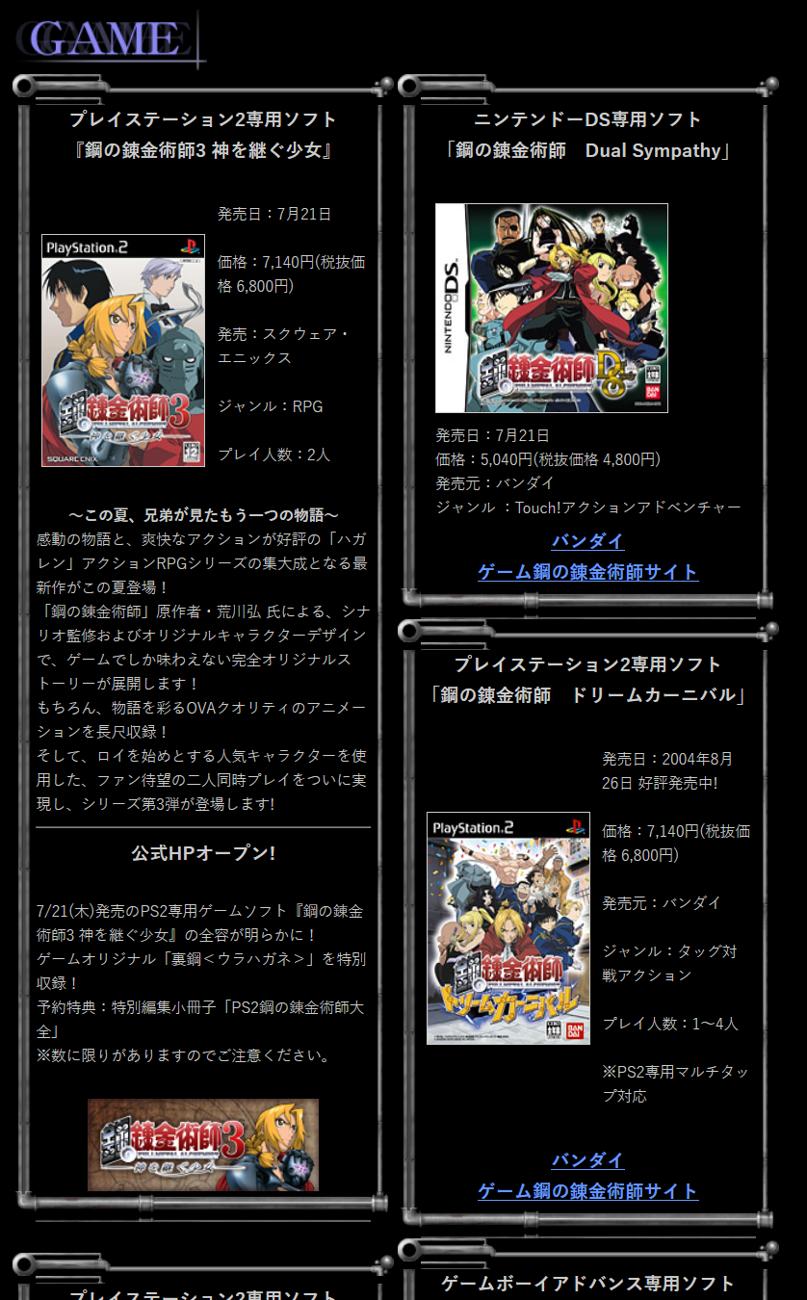
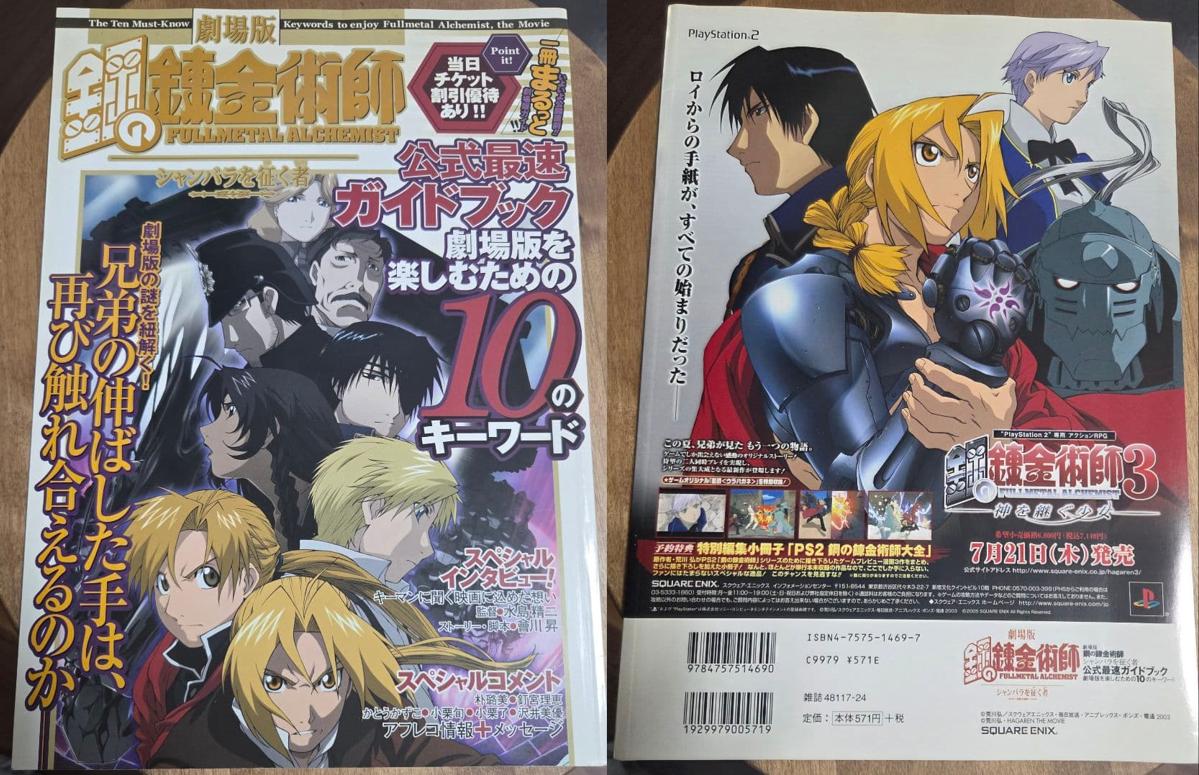
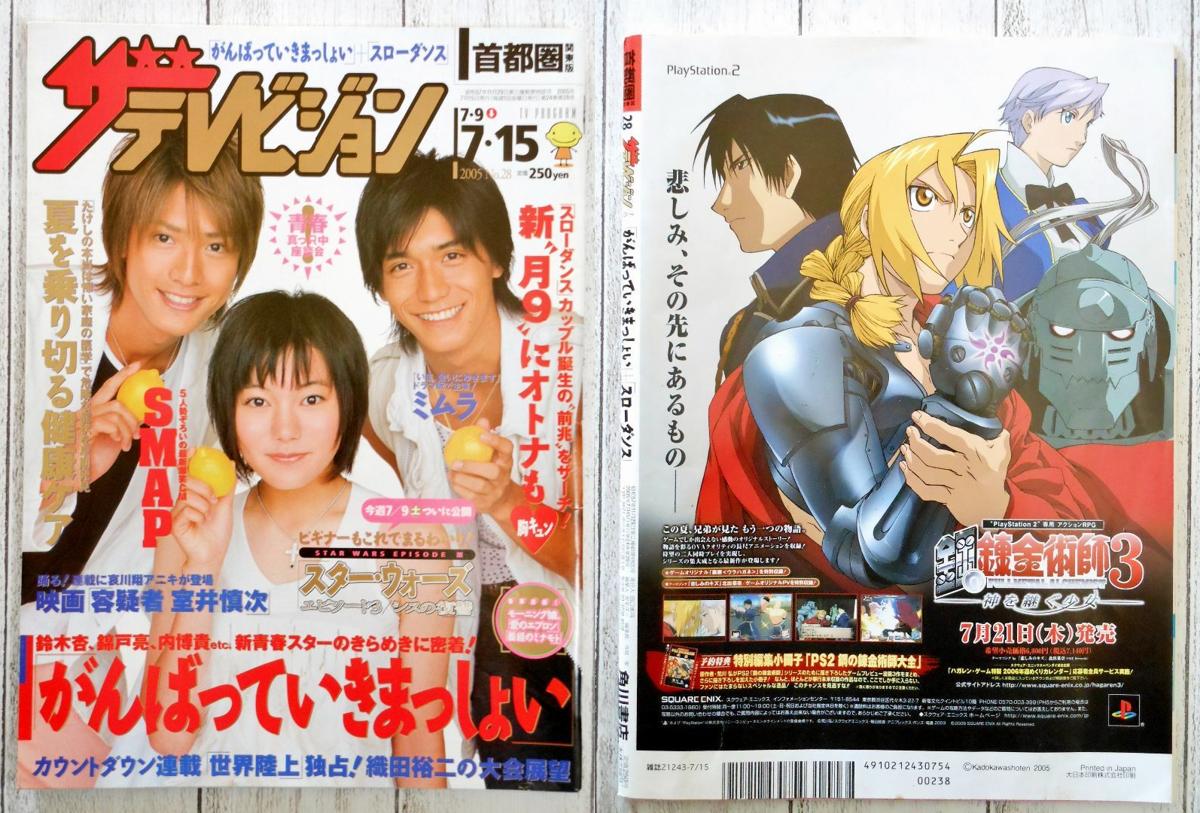
A simple reading of this scene would have Sophie and Arakawa cast as Aaron and false idol respectively, or it could feed into a broader reading of Sophie as a false prophet/Antichrist figure (note the game’s title).Square Enix still keeps a copy of the old FMA website online. You have to twiddle with your font encoding to make it show up properly, but it gives a gives a basic blurb on FMA3.Saved this picture of a flyer that someone’s pinned (magneted?) to their cupboard, but don’t remember where I got it from. Enjoy.This strategy guide is alleged to be essential material required to watch and properly appreciate the movie. It has an FMA3 ad on the back.Sample of a typical full-page ad, from magazine The Television (ザテレビジョン). There’s no doubt plenty of FMA3 coverage and marketing inside other contemporary magazines, but that’s all hanging out of reach.And that’s the list.
Should Janice be Janus for her two-facedness? Was there a Gundam mention somewhere in the mech talk? Did the music sample something or other? Was the upside-down clock in the subway station part of deliberate franchise tradition, and does its use of quartz have greater implications? Is Roy referencing Rimbaud? What does Trigger know about the Virgin Mary, and what’s Winry getting at with a capital G God? Is there more to say about the cats?
These questions and more are left as an exercise to the viewer.
LINKS TO THINGS MENTIONED. VISIT AT YOUR OWN RISK.